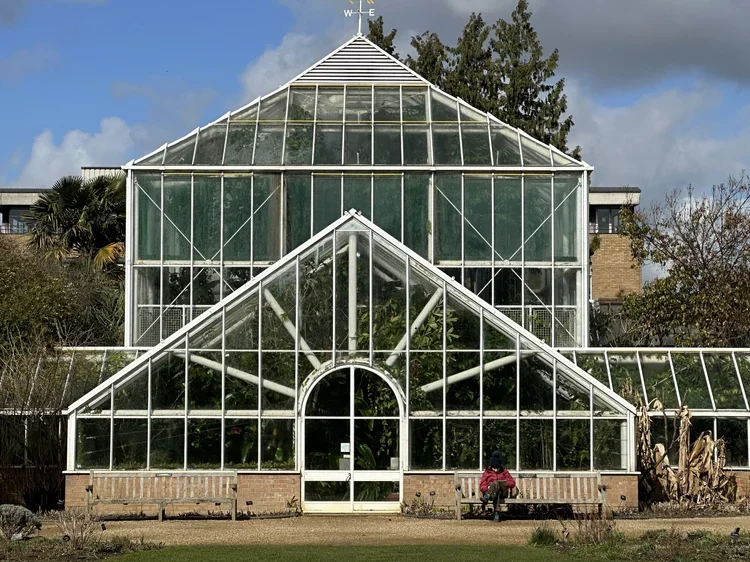
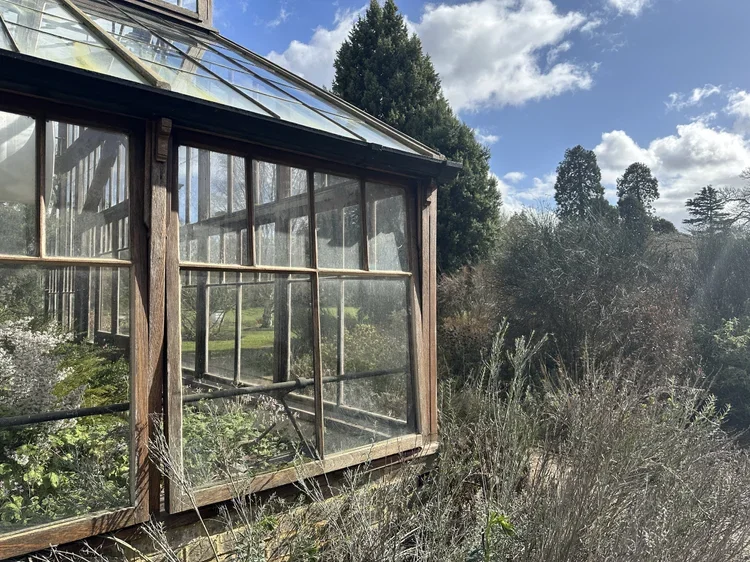
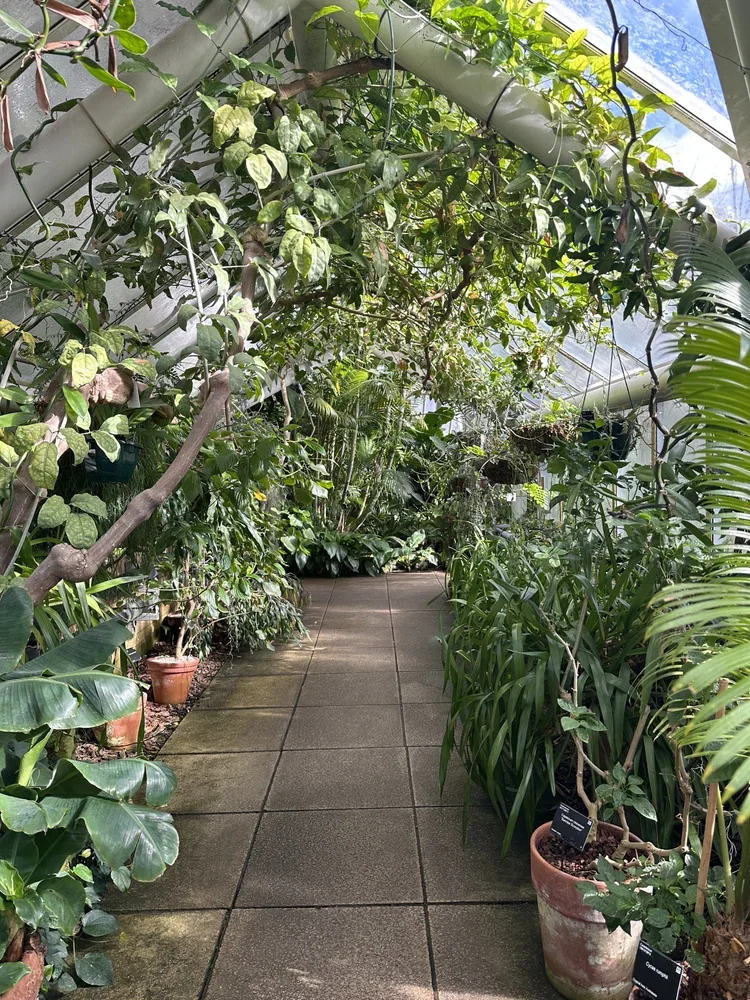
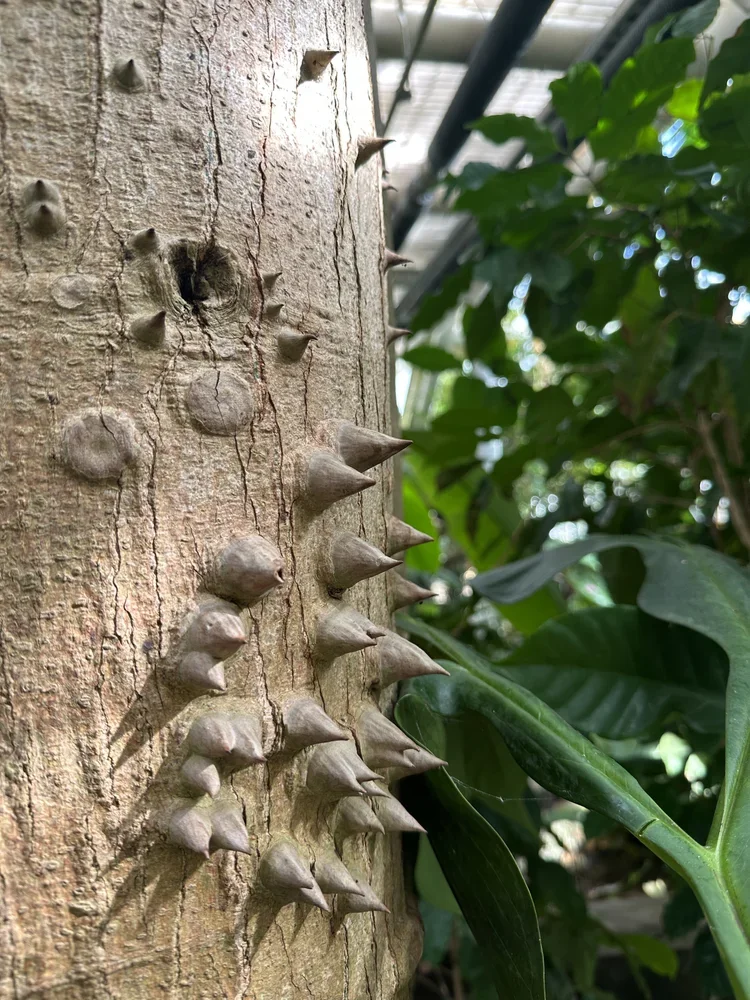
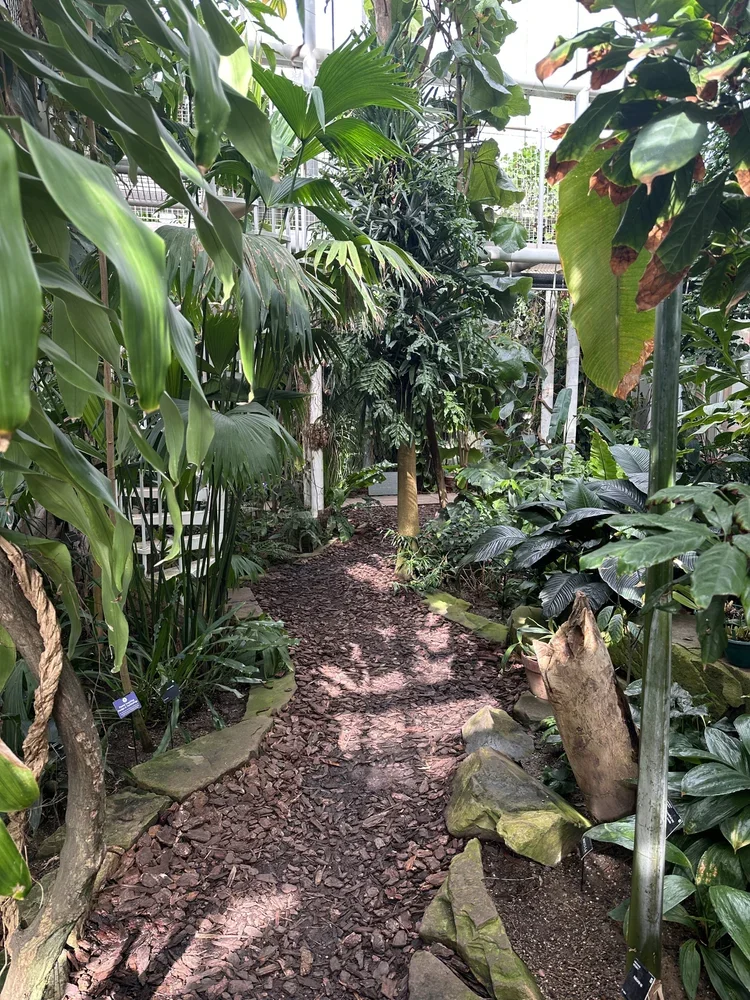
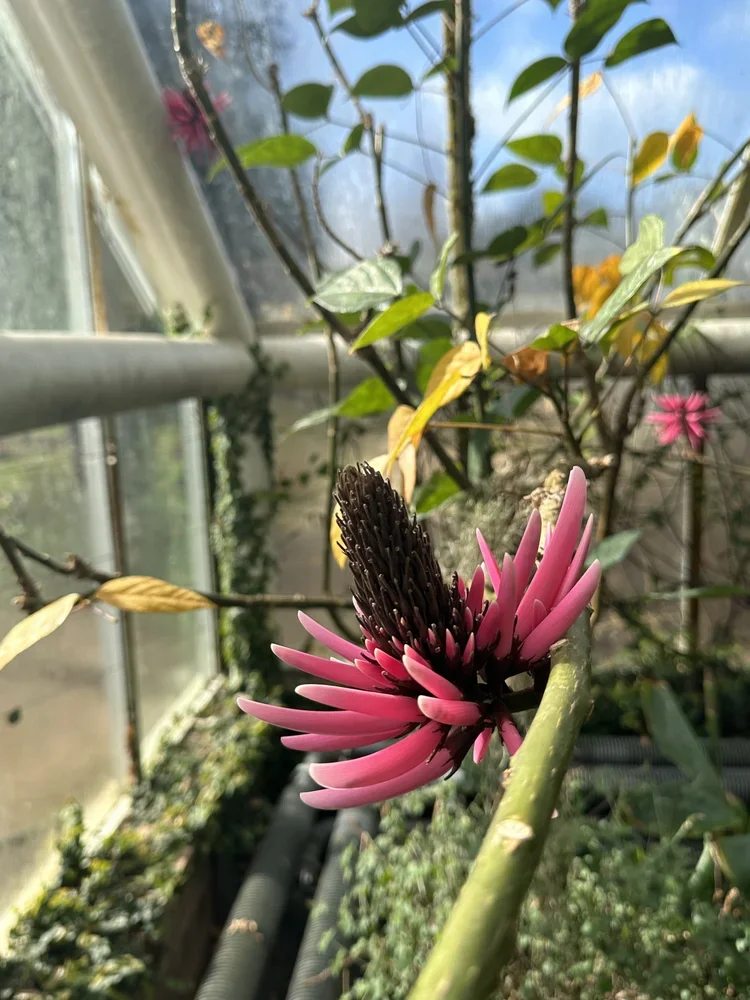
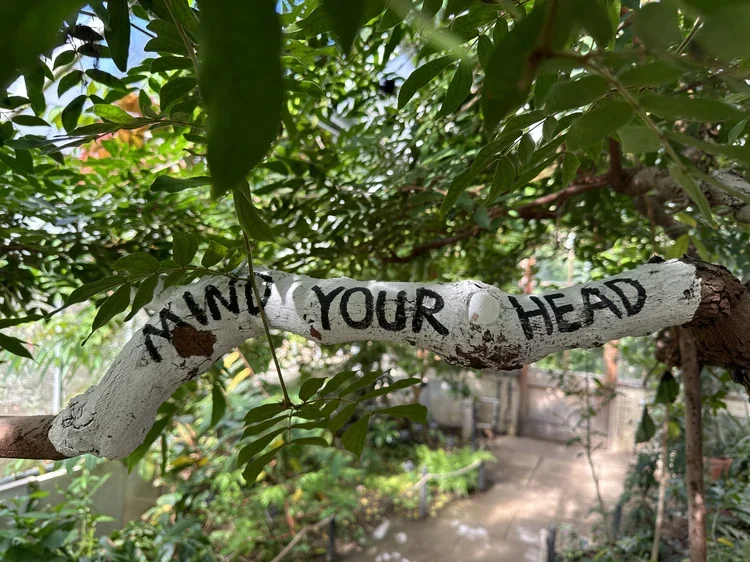
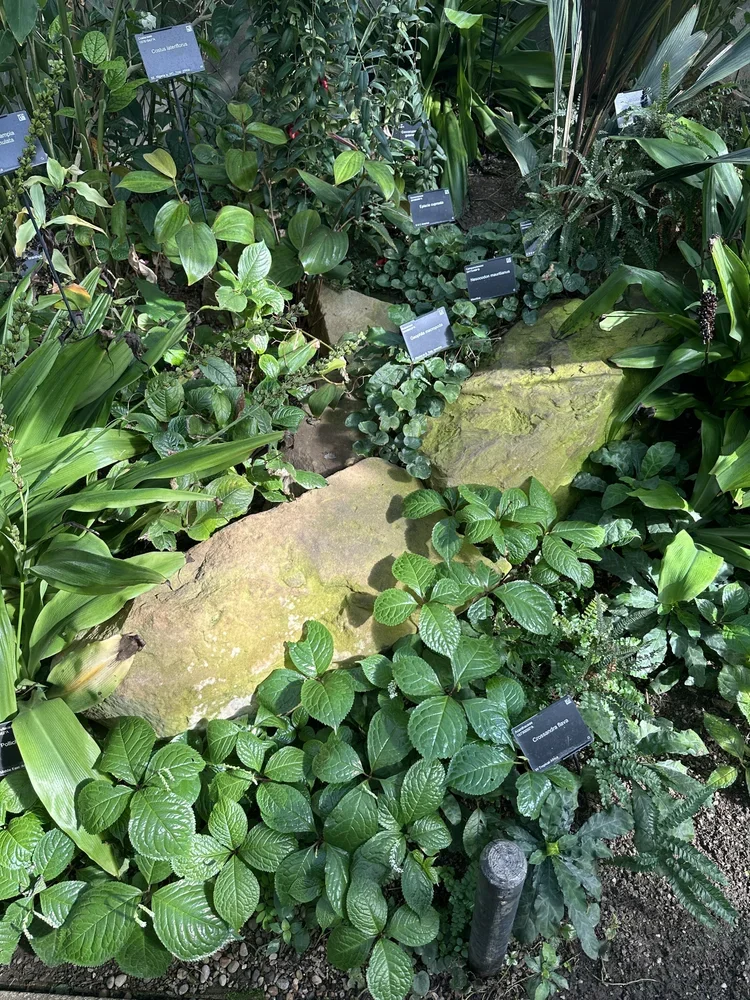
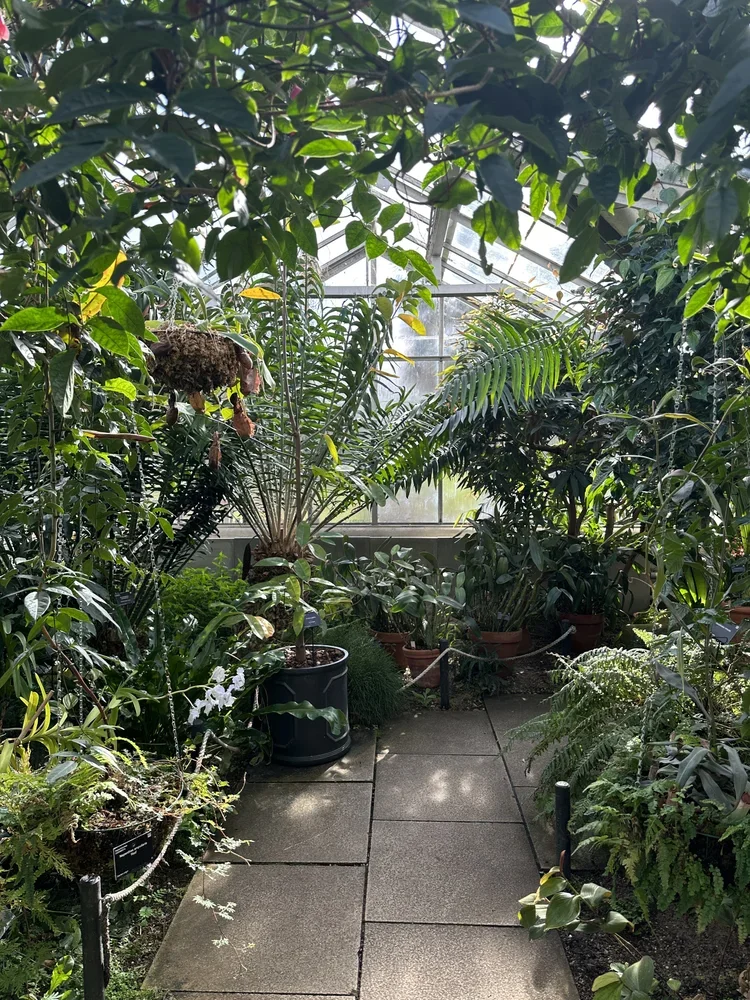
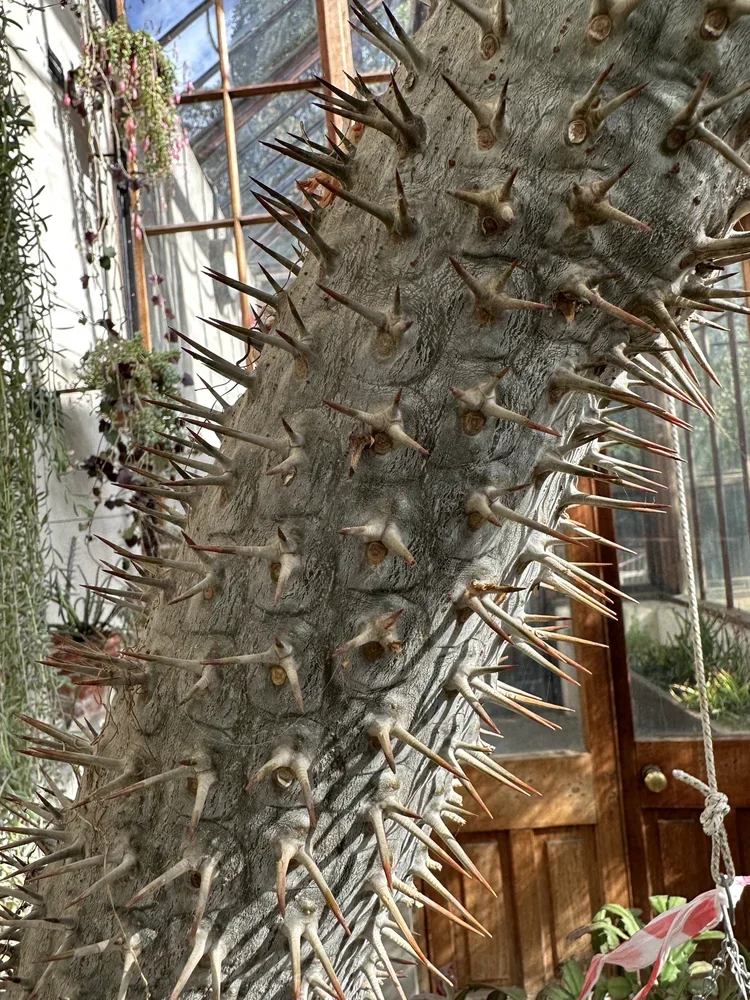
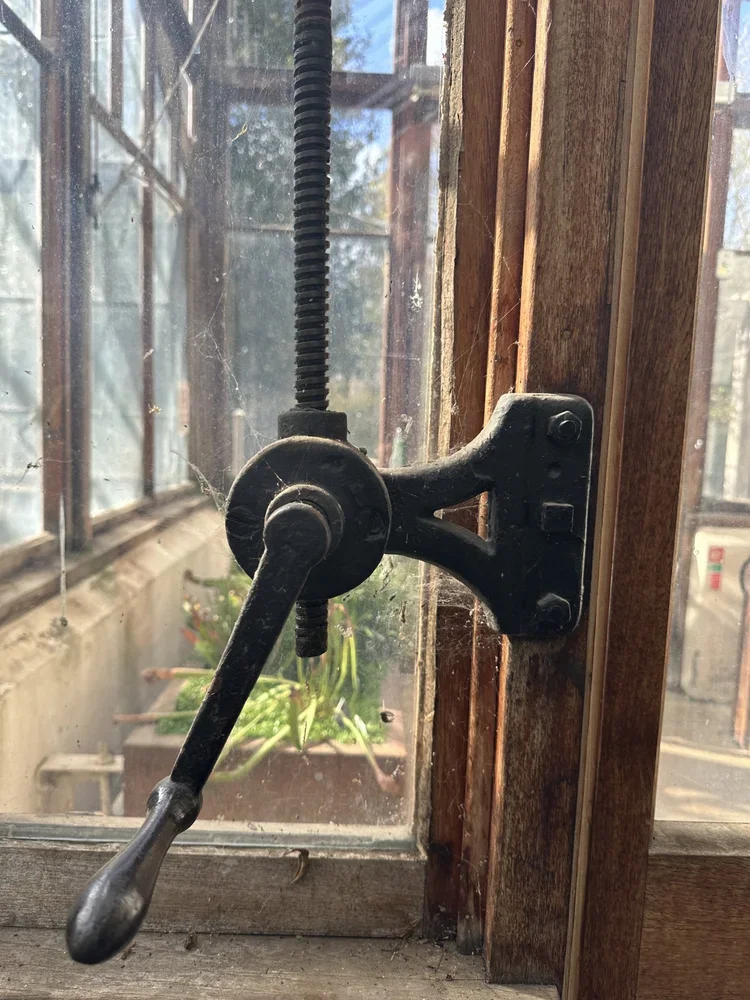
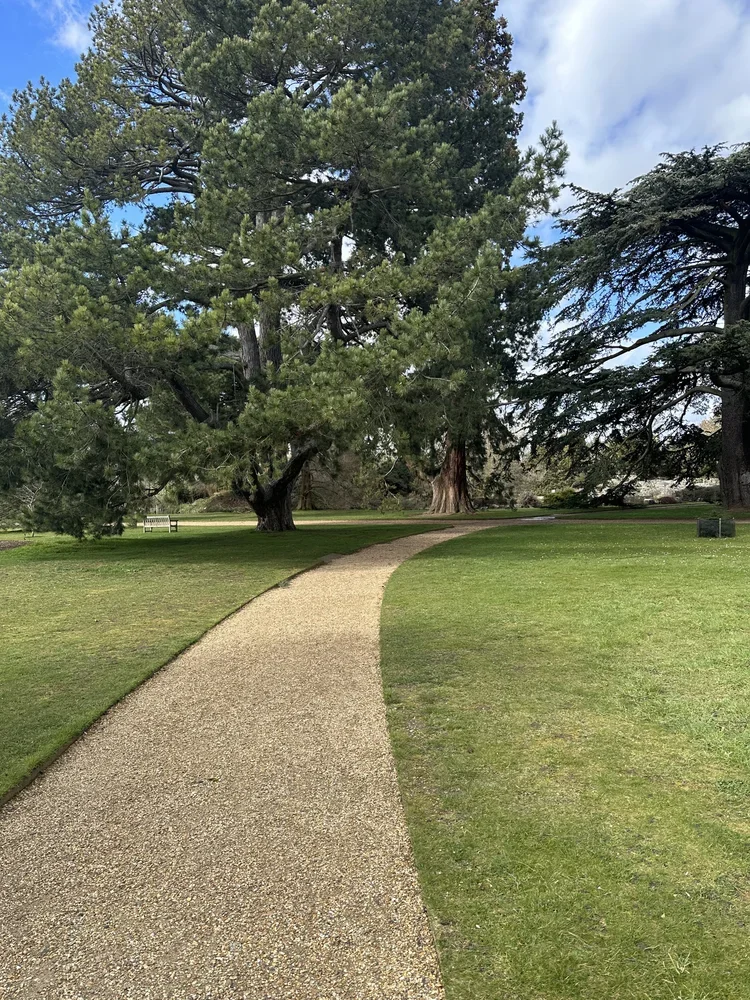
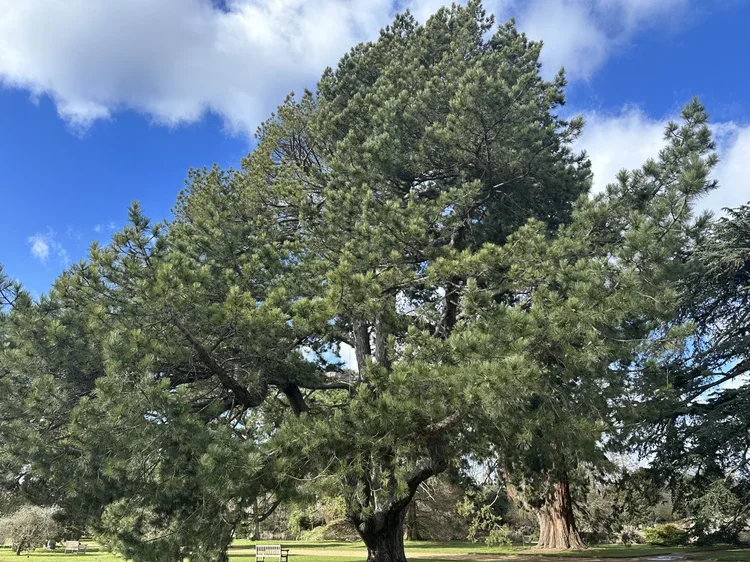
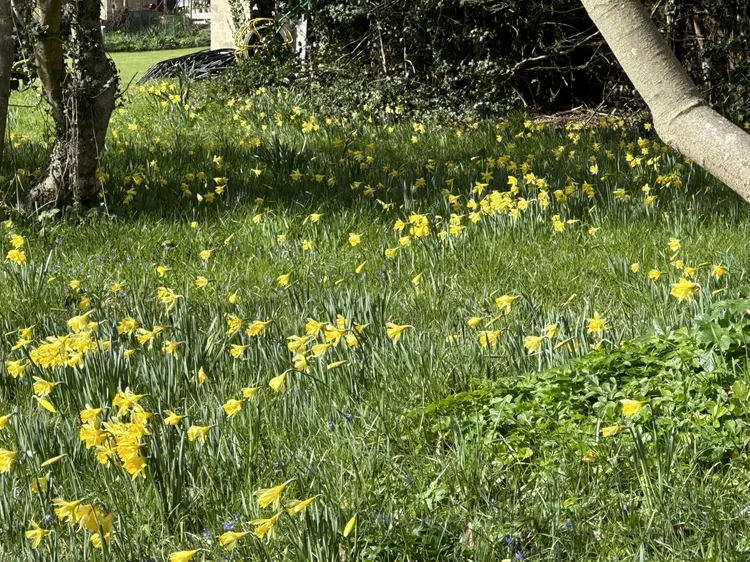
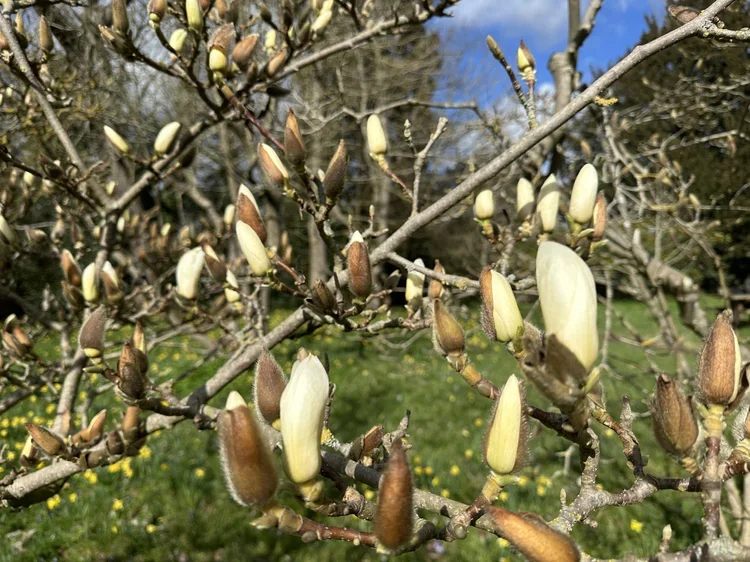
Seeking refuge from the noise and intellectual intensity of college life, Wittgenstein frequently retreated to quiet spaces across Cambridge to think, with the University Botanic Gardens being one of his most cherished sanctuaries. Walking alone along its secluded paths or sitting quietly on its benches surrounded by rare trees and its ornate glasshouses, he found the stillness essential for his demanding philosophical work. Away from the formal academic debates of Trinity College, the glasshouse in particular provided the uninterrupted solitude he needed to untangle complex ideas, often jotting down raw thoughts and reflections in his notebooks amidst the calm of the natural surroundings.
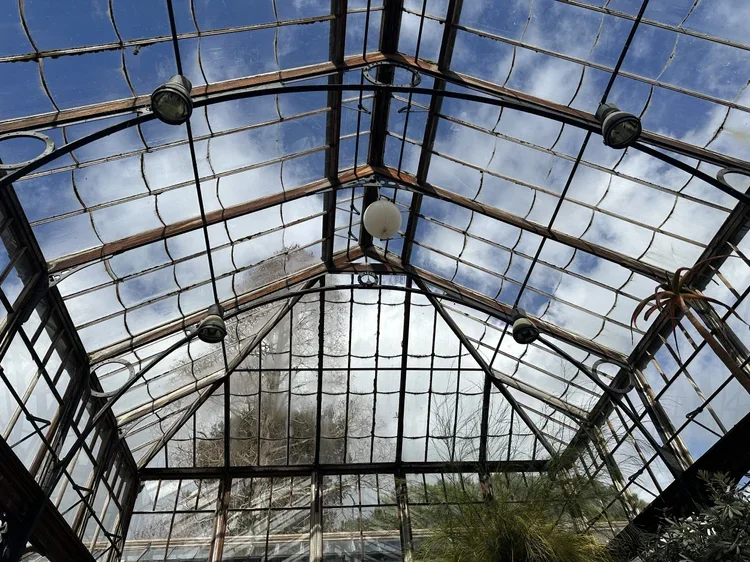
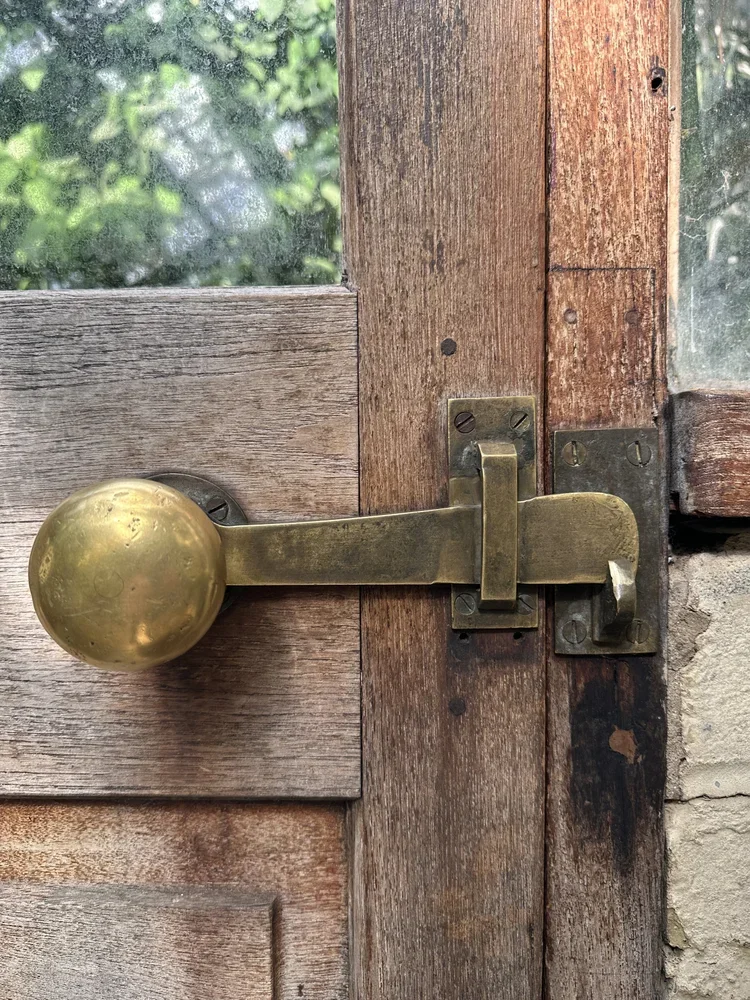
Recorded inside the main glasshouse, we begin we the natural sound of the grounds, as I move inside we hear the distinct mechanical clank of the door opening and closing. The audio then shifts from the open air into the sheltered, relative silence of the conservatory. Within this hushed, resonant space, subtle ambient details emerge, workers moving plants, visitors voices. Then entering another room, we continue to hear the workers (not so silent!) activities. One could imagine these muffled noises would have annoyed Wittgenstein, but back outside we return to relative quiet, apart from the whoosh of the distant Cambridge traffic (no doubt less in the 1940s and 50s).